
Civil Society Ecosystems for the Rule of Law:
Regional Tools and Practices
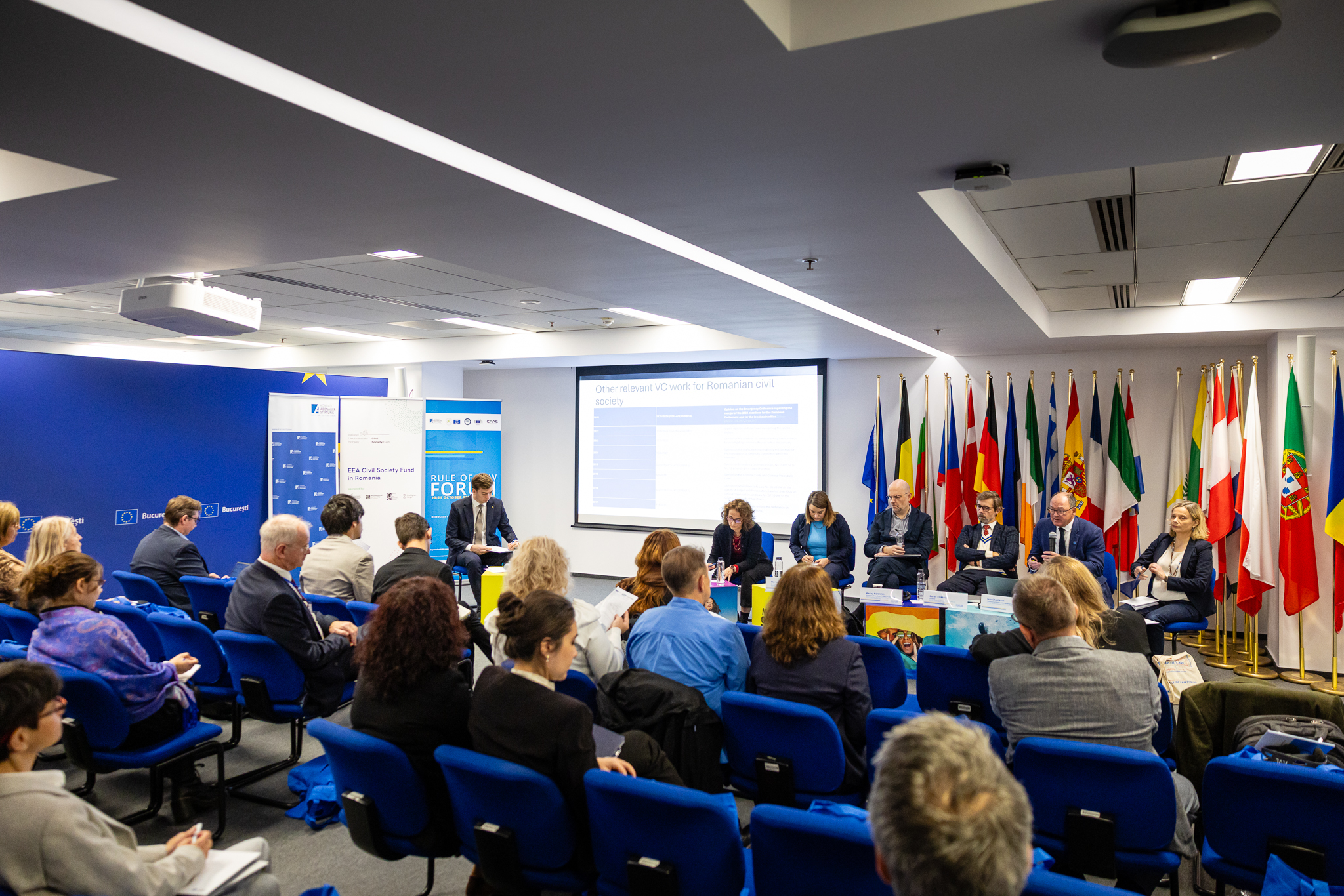
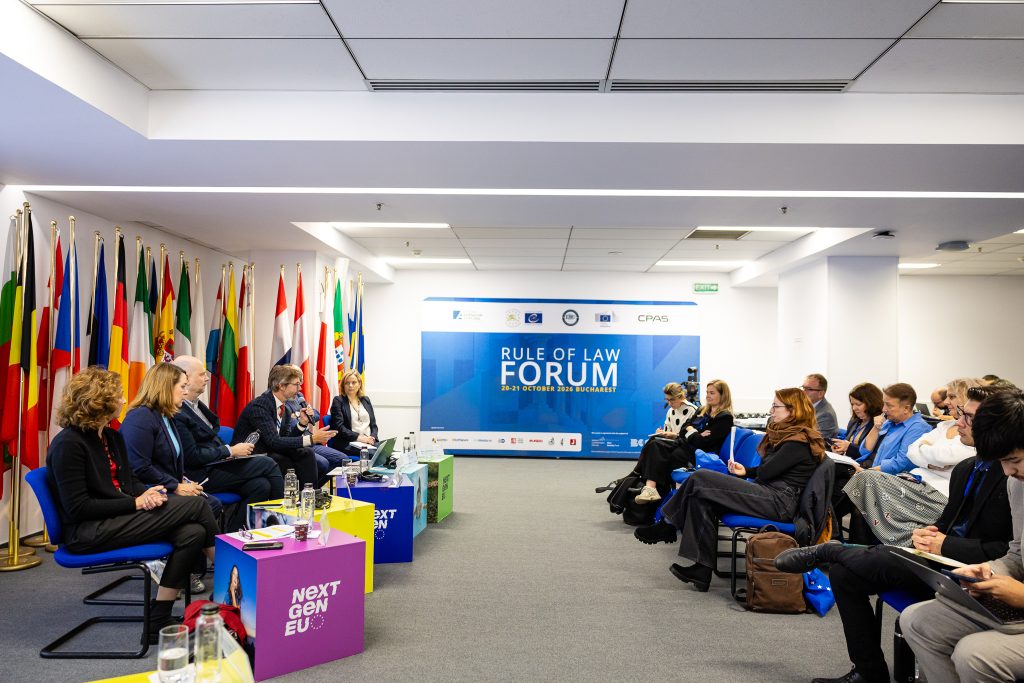
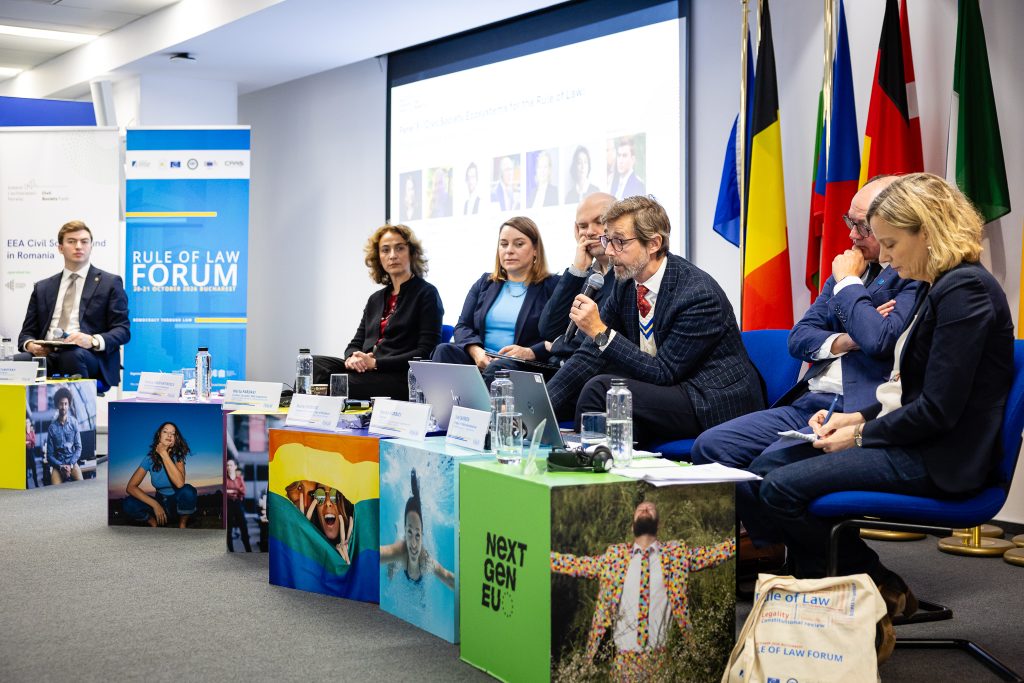
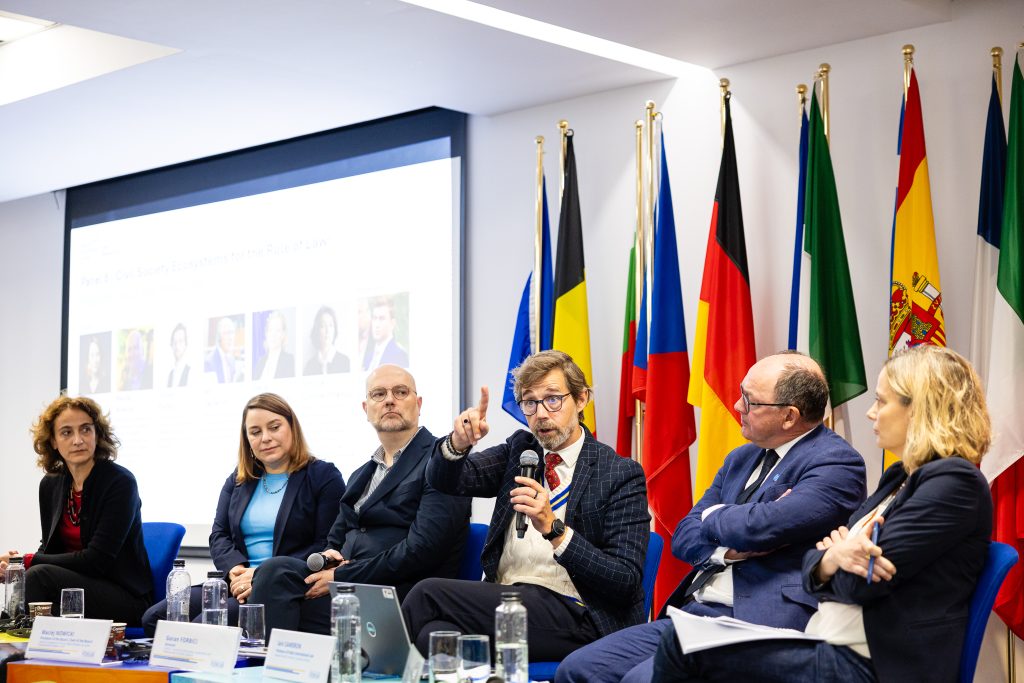
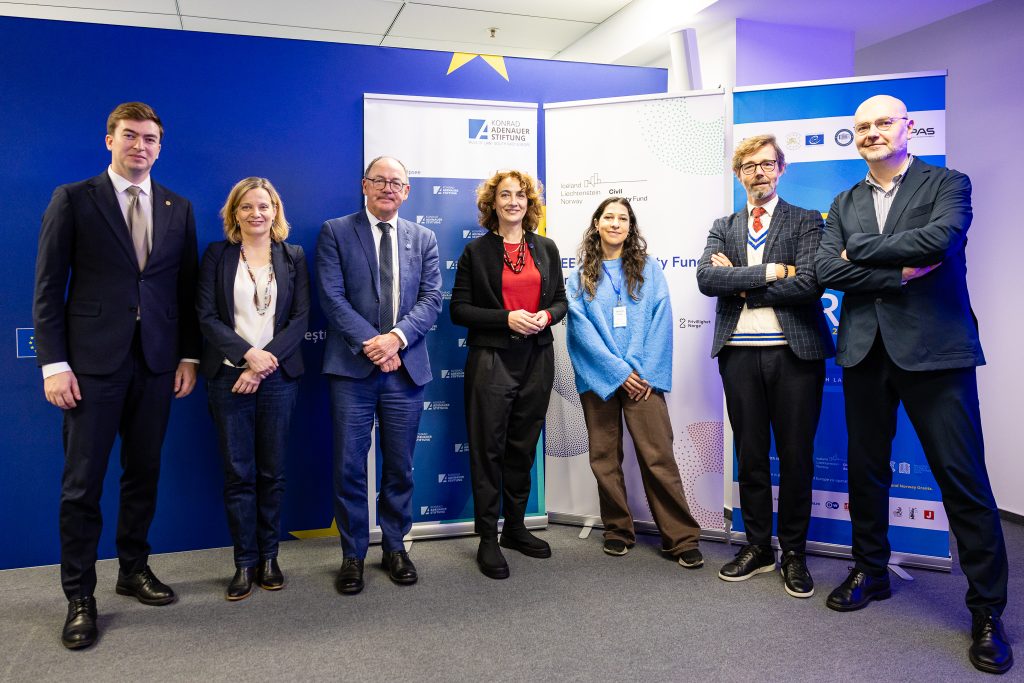
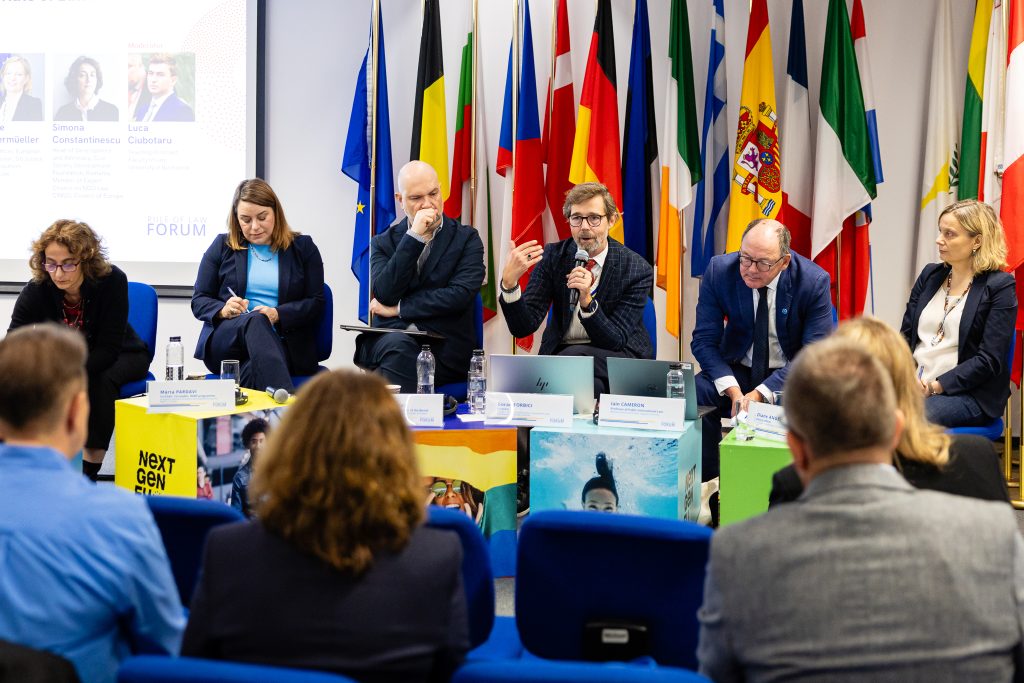
On October 21st, 2026, the second edition of the Rule of Law Forum in Bucharest brought together representatives from European institutions and civil society across Romania, Poland, Hungary, and Slovenia. The discussion centered on the vital role of civil society in safeguarding the rule of law and the mechanisms required to prevent the arbitrary abuse of power.
The session, titled “Civil Society Ecosystems for the Rule of Law: Regional Tools and Practices,” highlighted national contexts, European instruments, and regional models for inter-organizational cooperation.
The article below, originally published by Știri.ong, captures the key takeaways and insights shared by the panel.
Civil Society Ecosystems for the Rule of Law – A Discussion at the 2026 Rule of Law Forum in Bucharest
The rule of law, democracy and human rights are interdependent, sharing a common objective: to prevent the concentration of power and its arbitrary exercise.
This was the central premise of the discussion entitled “Civil Society Ecosystems for the Rule of Law”, held on the second day of the Rule of Law Forum. The 2026 edition was organised in Romania by the Konrad-Adenauer-Stiftung Rule of Law Programme South East Europe, together with the Venice Commission of the Council of Europe and the European Commission, in cooperation with the Civil Society Development Foundation (FDSC) and with the support of the EEA Civil Society Fund inRomania.
In its annual Rule of Law Reports, the European Commission has highlighted the importance of checks and balances, particularly the role of civil society, against the backdrop of a widespread deterioration in recent years.
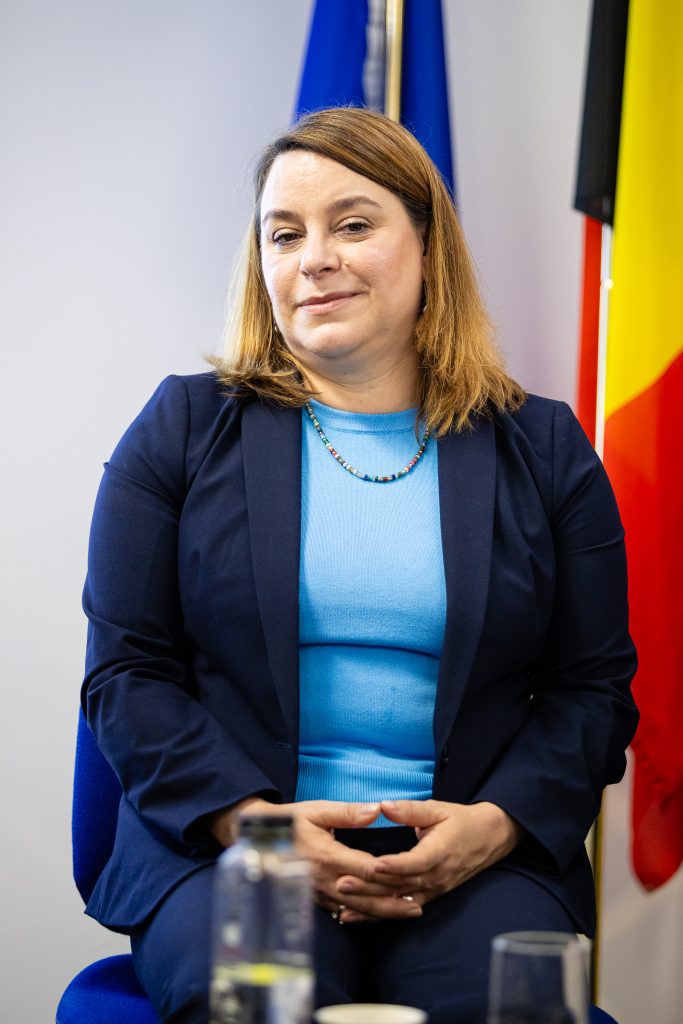
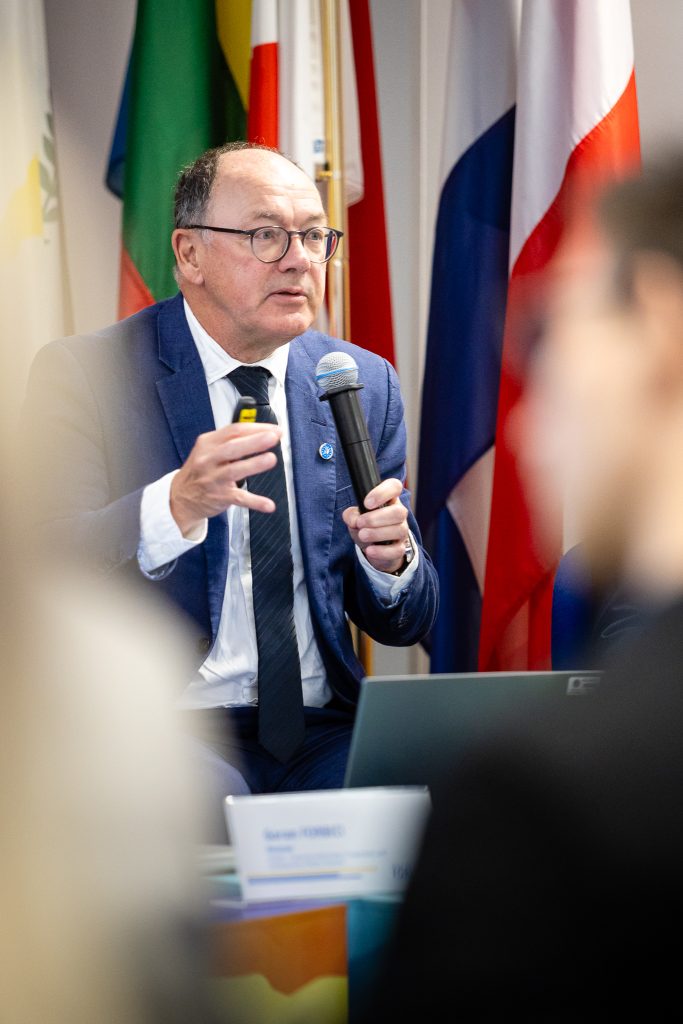
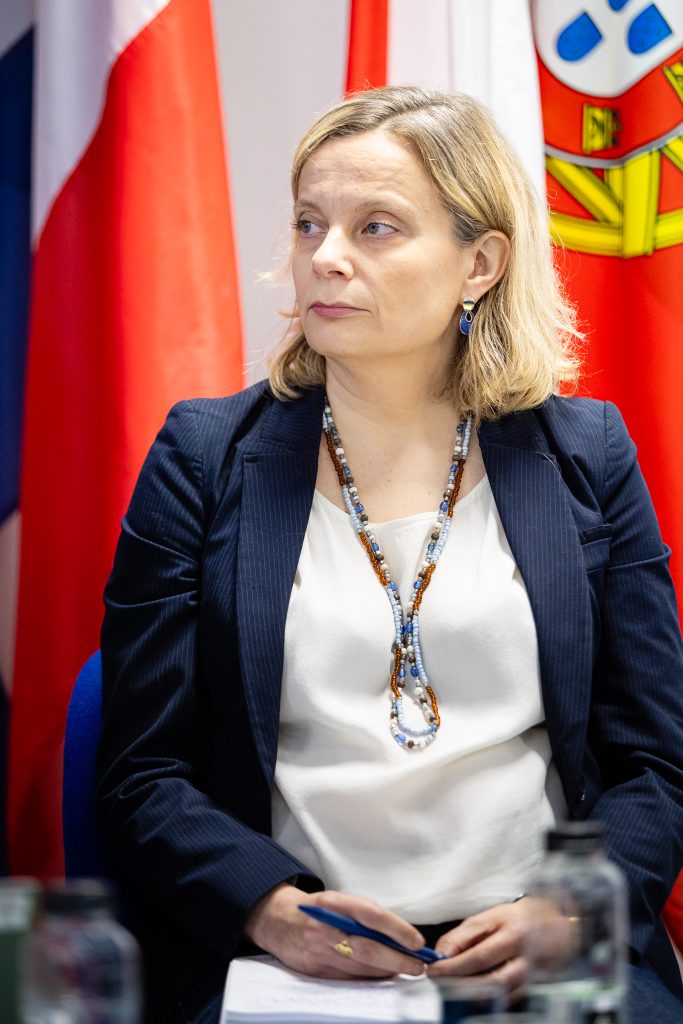
Hungary, Poland and Slovenia have experienced, or are still experiencing, more acute versions of the challenges currently facing Romania. Leading civil society representatives from these countries spoke in Bucharest about their national experiences, sharing their own solutions and assessments. Representatives of the Venice Commission and the European Commission also joined the panel, sharing insights into the European standards that should guide our efforts to uphold the rule of law and highlighting the existing legal frameworks and instruments available to protect and strengthen it.
The session was held in English and livestreamed on the Civil Society Fund Romania page. The full recording is available HERE and also on the Forum’s youtube channel: KAS RLPSEE – YouTube.
Selected statements from the event’s speakers:
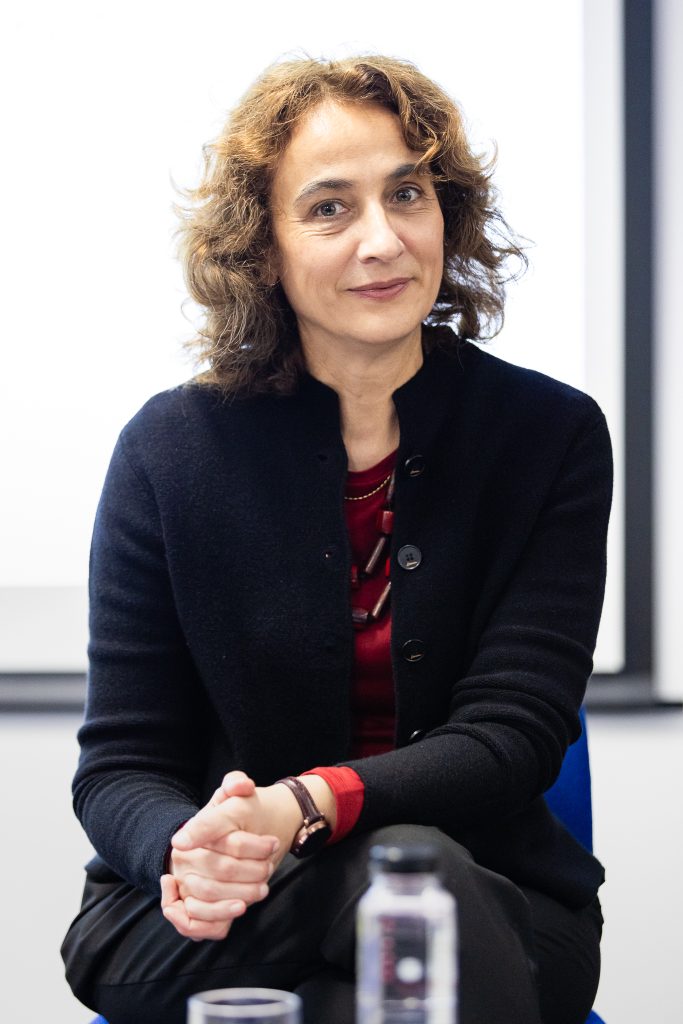
Simona Constantinescu, Head of Development and Advocacy, Civil Society Development Foundation, Romania
”We learn to build democratic institution faster than we learn to accept democratic scrutiny (…). Today the problem goes beyond the traditional reluctance of public authority to engage in dialogue or consultation. We have good legislation (or pretty fair legislation of course, thereis always room for improvement but what we see now is a fairly rapid deterioration, including at the legislative level, but mostly in the practises of the public institutions. So you have the law we have the formal compliance but actually in reality things are not okay.”
Márta Pardavi, Co-chair of the Hungarian Helsinki Committee & Co-Leader of the Recharging Advocacy for Rights in Europe (RARE) programme
”It’s a real pleasure to be here among many colleagues and also with a group of people who care about the rule of law and civil society space. I don’t think we can take that for granted very often we don’t even think about these issues and then we only realise they’re under pressure or about to be gone when it’s too late so it’s really important to keep this on the agenda and to talk about it in a multidisciplinary setting not only involving academics but also practitioners and also non-lawyers. (…) You have a cumulative gradual erosion and it is detectable not only in Central Europe, it’s everywhere in Europe. This is why it has become really important to also build up European standards.”
Diane Angermueller, Policy officer, European Commission, DG Justice and Consumers, Rule of Law
”In certain cases we have EU legislation, we have the EMFA, we have the whistleblower directive and in this case this is mandatory legislation that has to be implemented by member states and then the commission will play its role as guardian of the treaty and see if there are any infringements of the national legislation with regard to this directive. So it’s what we call the rule of law toolbox.”
Maciej Nowicki, President of the Board of the Helsinki Foundation for Human Rights (Poland) & Chair of the Board of the European Implementation Network (EIN)
”We believe that without a minimum democratic consensus beyond political polarisation, the long-term restoration of the rule of law is simply impossible.(…) And of course, the consensus must be in accordance with main rule of law principles, but still must be the rule of law is `the rules of the game`. If everyone follows them, there is a rule of law. If everyone has their own rules of law, there is no rule of law.”
Goran Forbici, Director of CNVOS – Centre for Information, Cooperation and Development of NGOs, Slovenia
”So what we are doing basically the general tactic is to defend ourselves. We need to join and we not only need to defend ourselves but we also need to go on the offensive. So we started organising ourselves back in April immediately after the elections. We brought together NGOs, trade unions and independent media. As I’ve said (and as Marta was explaining the tactic) is simple let’s defend each other so whenever one is attacked the others are backing him up. So we hold the regular coordination meetings of the whole coalition and have also entered referendum campaigns together.”
Iain Cameron, Member of the Venice Commission, Professor of Public International Law at Uppsala University
”The creation of the rule of law in a state is a never-ending process. It’s a labour of Sisyphus. We would say in English, in legal historical terms in Sweden, we date the beginning of the rule of law to the 1620s and 1630s. These are the first examples of it. So you’re talking about a sort of 400-year perspective and the question then becomes who can have such a perspective and how to keep fighting for the rule of law in the face of adversity. So I have nothing but admiration for my colleagues on my right here. I think very much so that the lessons we’ve heard today are about the importance of both networking within the country but also how valuable it can be to get the experiences of your colleagues from other countries.”


Rule of Law Forum, Bucharest
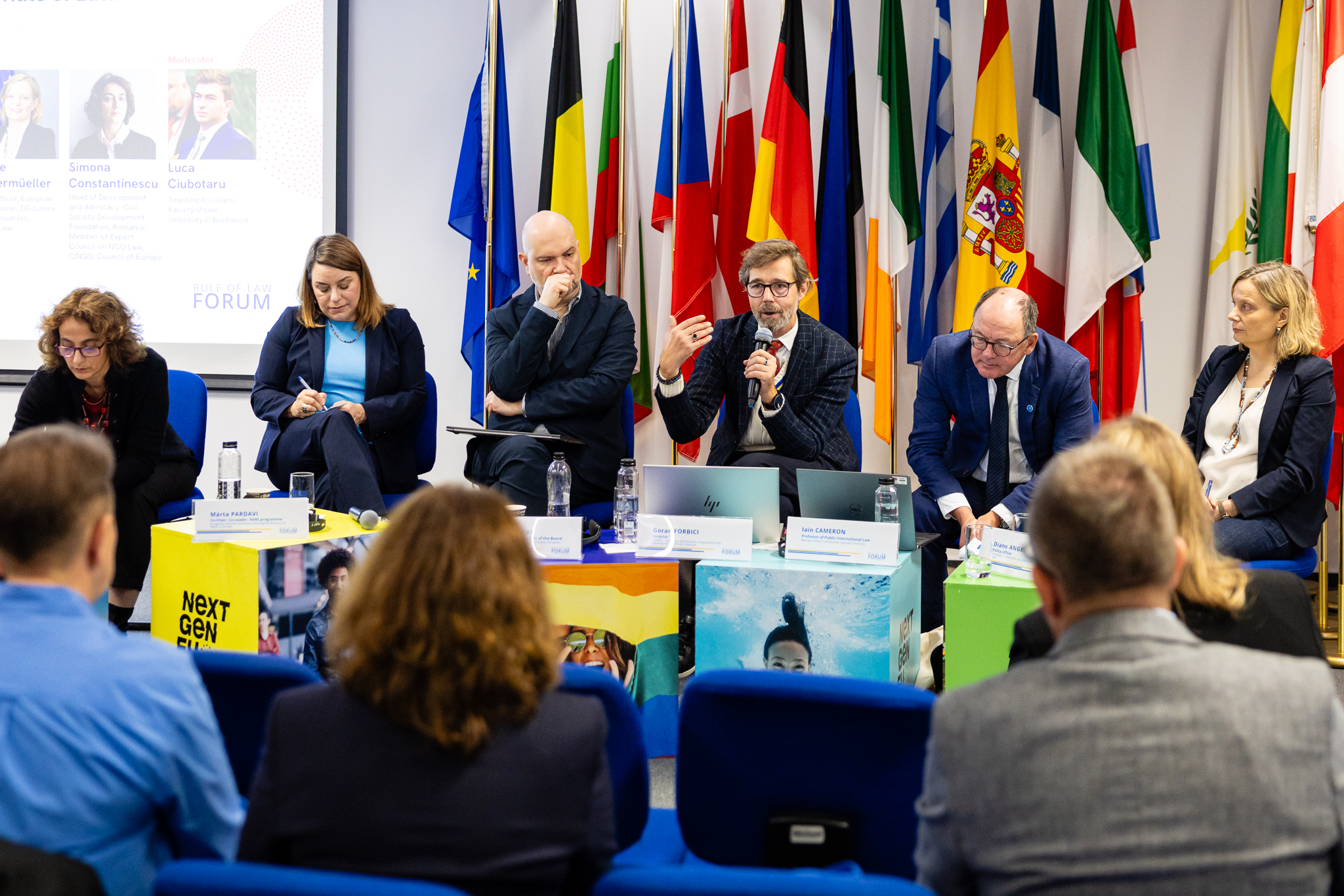
The Rule of Law Forum is an annual event dedicated to informed and structured dialogue on the practical application of European standards on the rule of law.
Launched in 2025, the Forum arose from the need to create a dedicated and neutral space where the conclusions and recommendations of the European Commission’s Rule of Law Report can be discussed together with all relevant stakeholders. Building on the first edition, the 2026 Rule of Law Forum strengthens its regional dimension, as well as its judicial and institutional character and its focus on the practical implementation of standards.
The 2026 edition is a joint initiative of the Konrad Adenauer Foundation’s Rule of Law Programme South East Europe, the European Commission for Democracy through Law (the Venice Commission), the Faculty of Law of the University of Bucharest, the European Commission Representation in Romania, and the Centre for Strategic Analysis. Organized in partnership with the Foundation for the Development of Civil Society and the “Carol I” Central University Library, the Forum is also part of the cooperation project with the Council of Europe, funded through the EEA and Norway Grants, and is supported by the EEA Civil Society Fund Romania.
Contact us
Address
21 Str. Nerva Traian
Sector 3, Bucharest
Romania
Stay up to date with CSDF’s activities!
30 years of CSDF
30 years of CSDF
30 years of CSDF
30 years of CSDF
30 years of CSDF
© 2026 Civil Society Development Foundation. All rights reserved.